
It’s hard to believe it’s been so long since Call of Duty first dropped us into the middle of a battlefield. Since 2003, this series has pretty much defined what a first-person shooter can be. From hopping between historical wars and then jumping into the future, Call of Duty has always found a way to keep things fresh. It’s more than just a game now; it’s a huge part of gaming culture, bringing millions of players together for some intense online action. Let’s take a look back at how this franchise became such a big deal.
Key Takeaways
- Call of Duty started in 2003 and quickly became known for its realistic take on World War II battles.
- The series grew into a massive global phenomenon, influencing more than just the gaming world.
- Iconic missions like the D-Day landing at Omaha Beach and the defense of Stalingrad are still talked about today.
- The music in Call of Duty games plays a big part in making the action feel cinematic and emotional.
- While popular, Call of Duty has faced criticism regarding frequent releases, in-game purchases, and keeping the experience fresh for long-time fans.
The Birth of the Call of Duty Franchise
It’s hard to imagine the gaming landscape without Call of Duty now, but back in 2003, it was a brand new player on the scene. Developed by Infinity Ward and published by Activision, the original Call of Duty dropped players right into the boots of soldiers during World War II. What set it apart from other shooters at the time was its focus on the gritty reality of war, not just the action. You weren’t just a one-man army; you were part of a squad, experiencing the chaos and camaraderie of the battlefield.
Where It All Began: Call of Duty (2003)
The first Call of Duty game really aimed to put you in the middle of the action. Instead of just running and gunning, it tried to make you feel like a real soldier. They even talked to veterans to get the details right, which was pretty cool. The graphics were also a big deal back then, using a souped-up engine to make the environments look pretty realistic for the time. It wasn’t just about shooting; it was about experiencing different parts of the war, playing as American, British, and Soviet soldiers. This gave you a broader picture of what was happening.
The Evolution of Call of Duty’s Early Years
After the first game came out and did pretty well, the developers knew they were onto something. Call of Duty 2, released in 2005, took things up a notch. It had better graphics and really dug deeper into the soldier’s experience. The series started to build a reputation for its intense single-player campaigns and, importantly, its multiplayer modes. These early games laid the groundwork for what would become a massive franchise, showing that players were hungry for this kind of immersive, historical shooter experience. They really started to figure out what made the game fun and engaging for a lot of people.
Here’s a quick look at some key features that made the early games stand out:
- Squad-Based Gameplay: You weren’t alone; you had AI teammates who helped in firefights.
- Cinematic Presentation: The games felt like you were playing in a war movie.
- Multiple Perspectives: Experiencing the war from different sides offered a richer story.
- Iron Sights: Aiming down the sights of your weapon added a layer of realism.
The developers really wanted to capture the feeling of being in World War II, making sure the battles felt intense and the environments looked believable. It was a big step up from what most shooters were doing.
Call of Duty’s Record-Breaking Journey
It’s pretty wild to think about how far Call of Duty has come since it first dropped back in 2003. What started as a solid World War II shooter has turned into a global juggernaut, selling hundreds of millions of copies and becoming a household name. It’s more than just a game; it’s become a cultural touchstone for a whole generation.
From Gaming to Global Phenomenon
Call of Duty isn’t just selling well; it’s shattering records. We’re talking over 425 million copies sold worldwide, which is just mind-boggling. It’s cemented its place in the Guinness World Records, and honestly, that doesn’t surprise anyone who’s spent any time with the series. It’s managed to do something really special: it’s gone beyond just the gaming community. You see Call of Duty mentioned in movies, on TV, and there’s even talk of film adaptations. It’s become a real cultural icon in the first-person shooter space, influencing how people think about and interact with digital war.
A Cultural Icon in the First-Person Shooter Genre
What makes CoD so iconic? It’s a mix of things, really. The games consistently push boundaries, whether it’s with their storytelling or their technical advancements. They’ve managed to capture the gritty reality of conflict, but also explore more imaginative, futuristic settings. This adaptability has kept it relevant for decades. It’s the kind of franchise that people grow up with, and then their kids start playing it too. That’s a rare feat in any entertainment medium, let alone video games.
Uniting Players Through Engaging Multiplayer
Let’s be honest, a huge part of Call of Duty’s success is its multiplayer. It’s where the magic really happens for a lot of players. The series has always been good at creating fast-paced, addictive online battles that are easy to pick up but hard to master. Think about the progression systems, the unlockables, the different game modes – they all work together to keep you coming back for more. It’s created this massive online community where friends can connect, compete, and share those epic moments. It’s a social experience as much as it is a gaming one, bringing people together from all walks of life for a common goal: winning the match.
Frontline Finesse: The Winning Streak of Call of Duty
The Call of Duty series really hit its stride with some truly groundbreaking multiplayer. It wasn’t just about shooting; it was about the experience. They managed to blend historical settings with futuristic ideas in a way that felt fresh, even as the franchise grew. Plus, the constant stream of updates and new content kept things interesting. It felt like they were always listening and trying to give players what they wanted, which is a big part of why it stayed so popular for so long.
Here’s a look at what made the gameplay so compelling:
- Revolutionary Multiplayer: Introduced features that became standard in the genre.
- Narrative Variety: Successfully shifted between historical conflicts and sci-fi scenarios.
- Content Cadence: Regular additions kept the player base engaged and coming back.
The ability to consistently deliver engaging multiplayer modes, coupled with a willingness to explore diverse historical and futuristic settings, cemented Call of Duty’s place as a dominant force in the gaming landscape. This combination of innovation and adaptation is key to its lasting appeal.
Missions That Shaped a Generation
The Defense of Stalingrad
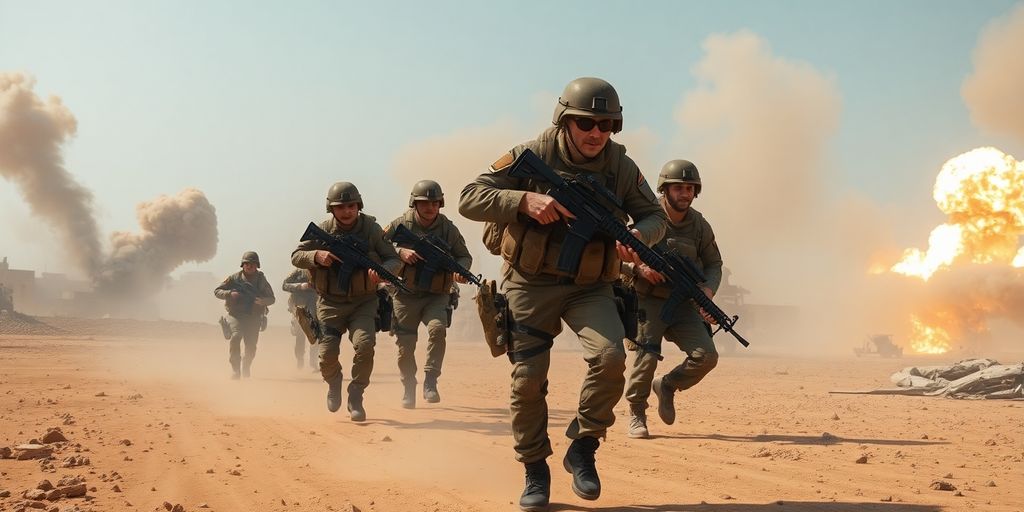
When the series first dropped back in 2003, the mission set in Stalingrad was a real gut-punch. It wasn’t just about shooting; it was about survival. You felt the desperation, the sheer chaos of fighting in those ruined streets. The game really put you in the boots of a Soviet soldier, facing overwhelming odds. It was a stark look at the Eastern Front, showing the brutal reality of that conflict. This early mission set a tone, showing that Call of Duty wasn’t afraid to tackle the grimmer aspects of war.
The D-Day Landing at Omaha Beach
Who could forget the D-Day landing at Omaha Beach? This mission, particularly in Call of Duty 2, was a masterclass in immersion. Dropping onto that beach, with bullets flying and chaos all around, was intense. It captured the sheer terror and bravery of those soldiers. The game designers really nailed the feeling of being a small part of something massive and incredibly dangerous. It’s a moment that many players remember vividly, a true highlight of the series’ early days.
Evolving Gameplay Through Different Eras
Call of Duty didn’t just stick to World War II, though. The series has a knack for moving through time, and each era brought new challenges and gameplay styles. Think about the shift to modern combat or even venturing into futuristic settings. These changes kept the franchise fresh.
- Modern Warfare Era: Introduced new mechanics and a contemporary feel.
- Black Ops Series: Explored Cold War tensions and covert operations.
- Advanced Warfare: Pushed boundaries with exoskeletons and futuristic tech.
This ability to adapt, to tell stories across different time periods, is a big reason why the games have stayed popular for so long. It’s not just about the shooting; it’s about experiencing history, or even imagined futures, through interactive storytelling. The way these missions were designed often felt like playing through a movie, making them incredibly memorable and influential in the first-person shooter genre. The early games, like the original Call of Duty, really set the stage for what was possible in terms of historical immersion.
The Rhythms of War: A Soundtrack to Battle
It’s easy to get lost in the explosions and the firefights, but let’s talk about the music. The sound design in Call of Duty games is pretty amazing, right? It really pulls you into the action. Think about those moments where everything is quiet, and then BAM! The music kicks in, and suddenly you’re right there in the middle of it all. It’s not just background noise; it’s a big part of what makes these games feel so real.
Composers Enhancing the Immersive Experience
Some really talented people have worked on the music for Call of Duty. You’ve got composers like Michael Giacchino and Hans Zimmer, who have done some seriously epic work. They know how to make music that fits the mood, whether it’s a tense stealth mission or a massive battle. Their scores aren’t just there to fill silence; they actively add to the feeling of being on the battlefield. It’s like they’re conducting the chaos, making sure every explosion and every quiet moment has its own sound.
Music Blending Intense Action and Deep Emotion
The soundtracks do a great job of mixing things up. You get those loud, driving tracks that make you want to run into the fray, but then you also get the quieter, more somber pieces that hit you right in the feels. This mix is what makes the game’s story stick with you. It’s not all about shooting; it’s about the people involved, and the music helps tell those stories. It can make a victory feel earned or a loss feel truly tragic.
Transforming Gameplay into a Cinematic Journey
Honestly, the music really turns the gameplay into something more like a movie. When you’re playing through a campaign, the score guides you through the emotional beats. It makes those big story moments feel even bigger. You remember the missions not just for what happened, but for how the music made you feel during them. It’s a big reason why these games have such a lasting impact, turning a simple game into a memorable experience.
Tactical Tensions: Navigating Call of Duty’s Rough Waters
Even a juggernaut like Call of Duty faces its share of bumps in the road. Over the years, players have voiced concerns about what some call franchise fatigue. With new installments dropping pretty regularly, there’s a feeling among some long-time fans that the series might be spreading itself a bit thin, losing some of the magic that made the earlier games so special. It’s like eating your favorite meal too often – eventually, it just doesn’t hit the same.
Then there are the ongoing discussions about how the business side of things impacts the game. The rise of in-game purchases, season passes, and various downloadable content (DLC) packs has definitely changed the landscape. While these can add new content and keep things fresh, there’s a constant debate about whether the focus is shifting too much towards making money rather than purely on creating the best possible gaming experience. It’s a tricky balance, trying to keep the shareholders happy while also keeping the players who’ve supported the series for years satisfied.
Here’s a quick look at some of the common points of discussion:
- Release Cadence: Some players feel the yearly releases lead to rushed development and less innovation.
- Monetization Models: Debates often arise over the cost and value of DLC and microtransactions.
- Content Quality: Concerns are sometimes raised about the consistency of campaign quality or multiplayer balance across different titles.
It’s a tough spot for any long-running series. How do you keep things exciting and new without alienating the core audience who fell in love with the original formula? That’s the million-dollar question, and Call of Duty is definitely still trying to figure it out.
Call of Duty in Popular Media
It’s pretty wild how much Call of Duty has seeped into, well, everything outside of just playing the game. It’s not just a video game anymore; it’s become this huge cultural thing. You see it referenced all the time in TV shows and movies. Characters might be playing it to chill out, or it’s used as a quick way to show they’re relatable or into modern stuff. It’s like a shorthand for a certain kind of gamer or a way to bond.
Influence Beyond the Gaming World
This series has really changed how people think about first-person shooters. It’s not just about the gameplay itself, but how it’s talked about and shown in other media. Think about it: the way it portrays combat, even if it’s stylized, has made its way into how people imagine war. It’s sparked conversations, too, about history, how war is shown, and even what gaming does to us. It’s like the game is a character in the bigger story of popular culture.
Merchandise and Upcoming Film Adaptations
And then there’s all the stuff you can buy. We’re talking t-shirts, hats, figures, even special controllers and headsets. It’s a massive business, and it shows how much people connect with the brand. They want to wear it, show it off, and be part of that world even when they’re not playing. Plus, the news about movie adaptations? That’s a whole other level of crossing over. It means they’re aiming to bring that Call of Duty feel to the big screen, which could introduce it to even more people.
Inspiring Other Games and Media
Call of Duty’s impact isn’t just about being referenced; it’s about what it inspired. Other games have definitely taken notes on its multiplayer setup, its storytelling, and how it keeps players hooked with new content. Even outside of gaming, you can see echoes of its narrative style – the focus on teamwork, the dramatic moments, the sheer intensity. It’s set a bar for what a blockbuster shooter can be, and that influence is pretty widespread. It’s made its mark, for sure.
Final Salute: Call of Duty’s Legacy and Future
Adaptability and Enduring Allure
Call of Duty has managed to stick around for so long because it’s good at changing things up. It’s not just about making the same game over and over. The series has seen massive shifts, from its World War II roots to modern combat and even into the future. This ability to adapt keeps players interested, even when new games come out every year. It’s like a favorite band that can still put out new music that sounds fresh but still feels like them. That’s a tough balance to strike, but CoD seems to have figured it out.
Reinventing Itself While Staying True to Core Elements
What’s interesting is how Call of Duty keeps its core identity while trying new things. The fast-paced shooting and the feeling of being in the middle of the action are always there. Even when they add new modes or change the setting, that core gameplay loop remains. Think about how they’ve handled multiplayer over the years. It’s always been a big draw, but the specifics change – from killstreaks to loadouts to perks. They tweak it, sometimes controversially, but the goal is usually to keep that competitive, addictive feel that made people love it in the first place. It’s a constant process of tweaking and refining.
The Continued Story of Call of Duty
So, what’s next for Call of Duty? It’s hard to say for sure, but the franchise has shown it can handle whatever comes its way. Whether it’s exploring new technologies, trying different storytelling approaches, or even venturing into new media like movies, CoD has a track record of making it work. The community is always watching, and while there are debates about certain decisions, the overall excitement for what’s next is usually pretty high. Call of Duty’s legacy isn’t just about past victories; it’s about its ongoing ability to evolve and capture the attention of millions. It’s a series that’s deeply woven into the fabric of gaming, and it doesn’t look like it’s going anywhere soon.
Final Salute: CoD’s Lasting Impact
So, looking back, it’s pretty clear Call of Duty isn’t just another game series. It’s been around since 2003, changing how we play shooters with its intense action and stories. Games like Modern Warfare and Black Ops really set the tone. It’s sold a ton of copies, even got its own world records, and people are talking about movies too. It’s brought so many players together, sharing those big multiplayer moments and getting lost in the campaigns. Even with some bumps along the way, like debates about new releases or in-game purchases, Call of Duty keeps finding ways to stay relevant. It’s a big deal in gaming, and it’s likely to stick around for a while longer, with fans always ready for the next battle.
Frequently Asked Questions
When did Call of Duty first come out and what was it like?
Call of Duty started in 2003 with a game that put players right into World War II battles. It was known for feeling really real and exciting.
Why is Call of Duty’s multiplayer so popular?
The game became super popular because it let people play with or against each other online. This made it fun to team up or compete with friends and players from all over.
What are some of the most famous missions in Call of Duty history?
Call of Duty has featured many memorable missions, like surviving the tough Defense of Stalingrad or storming Omaha Beach on D-Day. These moments really stick with players.
How does the music in Call of Duty make the games feel more exciting?
The music in Call of Duty games is a big part of the experience. Composers create soundtracks that mix exciting action music with tunes that make you feel the emotions of the story, like a movie.
What are some common complaints about the Call of Duty series?
Some players worry that Call of Duty is released too often, making it feel like there’s too much of the same thing. Others also discuss if the game focuses too much on selling extra items instead of just making the game itself great.
Has Call of Duty influenced anything outside of video games?
Call of Duty has become so big that it’s influenced movies and other games, and there’s even talk of a movie being made. It’s more than just a game; it’s a huge part of pop culture.
Related Posts

Mastering the Chase: Your Ultimate Guide to Temple Run
So, you've heard about Temple Run, right? It's that game…

Candy Crush Saga: Tips, Tricks, and Strategies for Beating Level 100
So, you've hit Level 100 in Candy Crush Saga and…
Mastering Mobile Legends: Tips, Tricks, and Strategies for Victory
Mobile Legends: Bang Bang is a huge deal in the…